Storm or flood? Why the word on the claim form matters
Two claims from the same night can be settled completely differently depending on whether the water came down or came in.
21 August 2026 · 5 min read
After a bad night in February the phone rings for two different reasons. Some callers have water coming through the ceiling. Others have water coming under the door. To the person holding the mop it is the same problem. To the policy it is two different perils.
What insurers mean by storm
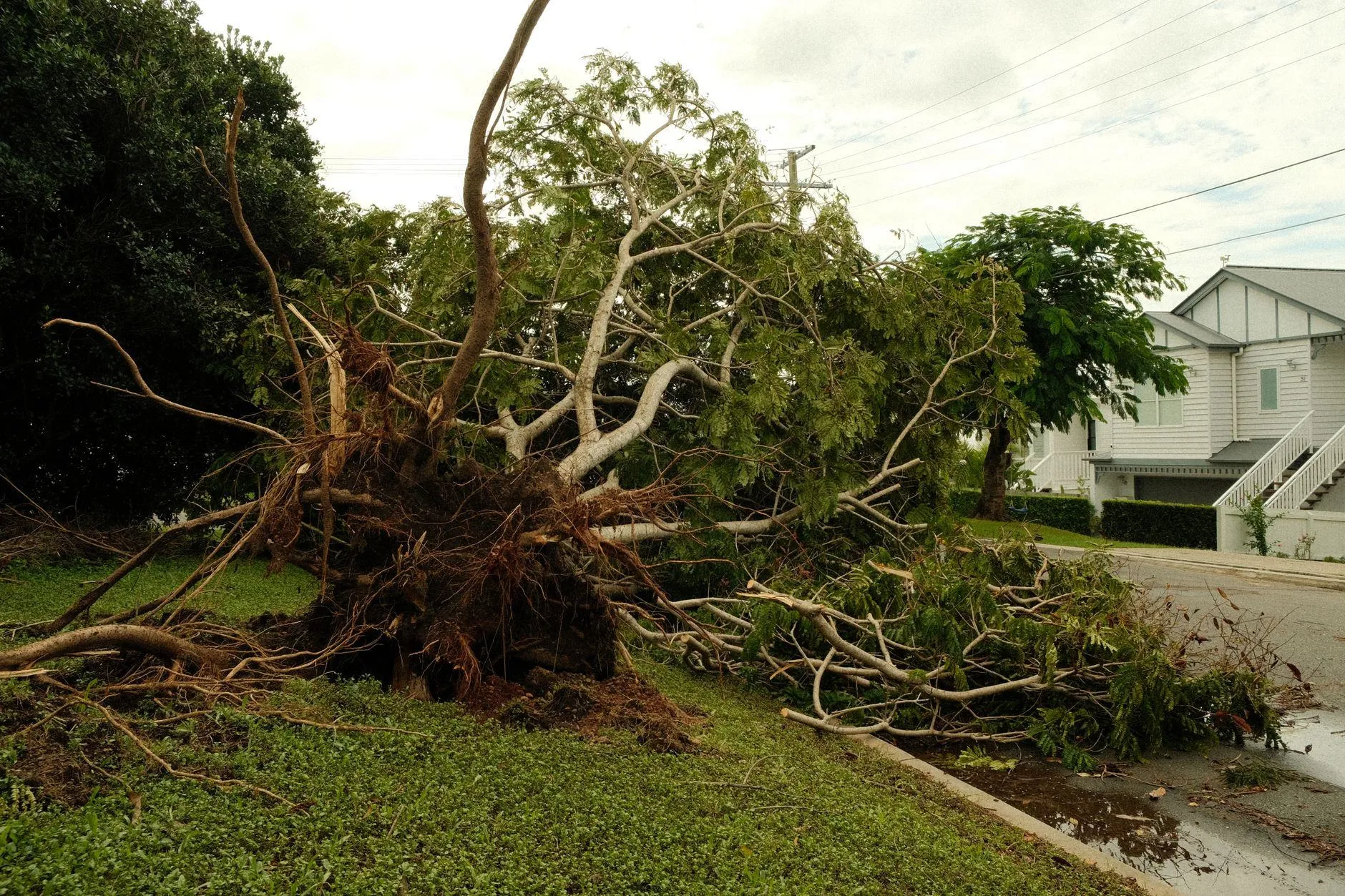
Most policies define a storm by wind speed, heavy rain or snow on a scale that is unusual for the area. Damage the storm causes directly (tiles off the roof, a tree through the conservatory, rain driven through a broken window) is a storm claim.
What a storm does not cover is damage the building was always going to suffer: a flat roof that has been leaking slowly for a year, or pointing that has worn away. The adjuster will look for that, and it is the most common reason a storm claim is reduced.
What insurers mean by flood
Flood is water rising from outside: a river over its banks, surface water that cannot drain, the sea. In higher-risk areas it is often excluded from a standard home policy and placed separately, through a flood reinsurance scheme or a specialist underwriter who prices the individual property.
Why it matters
If your policy covers storm but not flood, the cause written on the claim decides whether you are paid. That is why we take the first call ourselves and help you describe what actually happened, with photographs, before anything is thrown away.
What to do on the night
- Make the building safe and stop further damage if you can do it safely.
- Photograph everything before it is moved, including the outside of the building.
- Keep damaged items unless they are a health risk.
- Ring the claims line. We will tell you what the insurer needs and arrange emergency repairs.