The 60-day rule for empty houses
Selling, inheriting or between tenants: once a property is empty for 30 to 60 days, most policies quietly shrink.
17 June 2026 · 3 min read
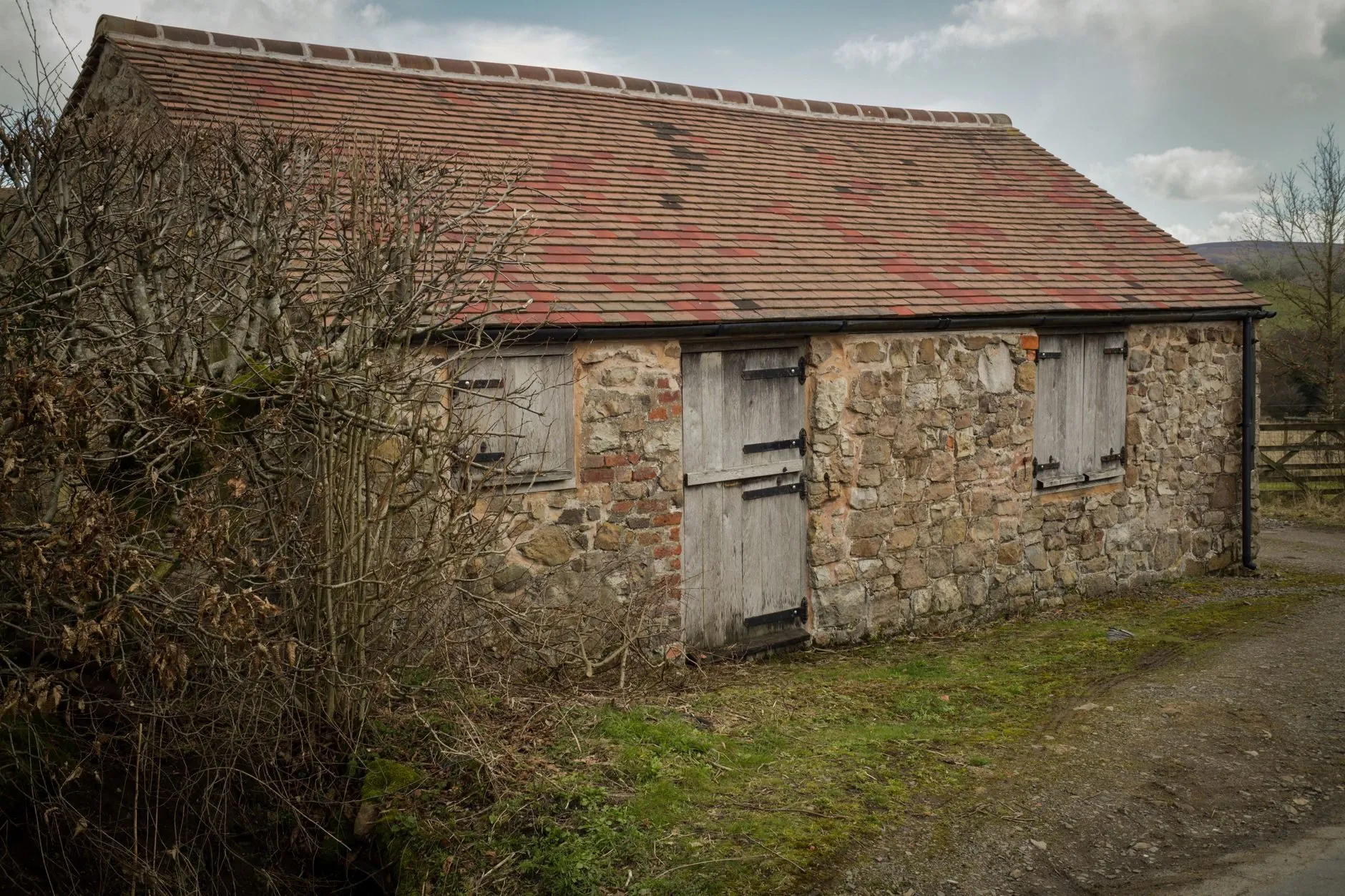
Every home and landlord policy has an unoccupancy clause. It usually says that once the property has been empty for a set number of days, commonly 30 or 60, cover for escape of water, theft and malicious damage stops or the excess rises sharply.
Why insurers care
An empty house has nobody to notice a dripping pipe or a broken window. A leak that would have been a £400 repair in an occupied house becomes a £20,000 claim after three weeks unnoticed.
When it catches people out
- A house inherited and waiting for probate
- A home on the market after the owners have moved
- A rental between tenants during a refurbishment
- An elderly relative moving into care
What to do
Tell us before the property becomes empty, not after. We will either agree the unoccupancy with your current insurer, usually with conditions such as weekly inspections and the water drained down, or move it to an unoccupied property policy for the months it is empty.
Keep a simple log of each visit: the date, who went, and anything found. It is often the only thing an adjuster asks for.